It finally happened. A big club in one of the big leagues, was hit hard by the Financial Fair Play rules and we are here for it.
UEFA introduced Financial Fair Play rules in 2011-12 season and since then, we have seen it have some effect, but to be fair, most of the big sanctions we have seen have been transfer sanctions, which are handed out by FIFA and not UEFA. UEFA has looked into the likes of PSG, AC Milan, Atletico Madrid and Manchester City. But those have led to fines and curtailing on squad size among punitive actions, but nothing as drastic as a 2 year European ban that Manchester City has just been hit with and if the ban stands at the Court of Arbitration for Sports.
For Manchester City this isn’t the first time being hit by FFP implications. Back in 2014 season they were hit with a £49million fine along with having to reduce their squad size for the upcoming Champions League campaign to 21, for failing to meet the requirements for balancing the wage bills. This was among the bigger FFP implications and City weren’t the only team to be hit with this fine as PSG were also hit with the same sanctions due to their wage bills. Fans of other teams were happy with these implications for 2 clubs that were purchased by wealthy owners from the Middle East and they pumped massive money into the club making them contenders out of nowhere, but the long term implications weren’t massive. In fact, the FFP rules were amended the next season and both fines were suspended to a much lower amount of €20million after the FFP regulations changed over the year.
The issue with City and PSG has been the Sponsorship gymnastics that they have done to satisfy the FFP requirements, which at the core want teams to spend money that they earn instead of spending money from the pockets of their rich owners, which can create an untenable structure like with Malaga, who were also bought by a Qatari prince but who then refused to put in money after a 4th place league finish in 2012 season, complaining about big clubs getting bigger revenue shares, leaving the club in tatters.
“The FFP rule requires clubs to balance football-related expenditure – transfers and wages – with television and ticket income, plus revenues raised by their commercial departments. Money spent on stadiums, training facilities, youth development or community projects is exempt.” This essentially requires Football Clubs in Europe to be self-sufficient and the owners expenses should not be for anything outside of purchase of the club itself and for the likes of building new stadium, training facilities and other projects.
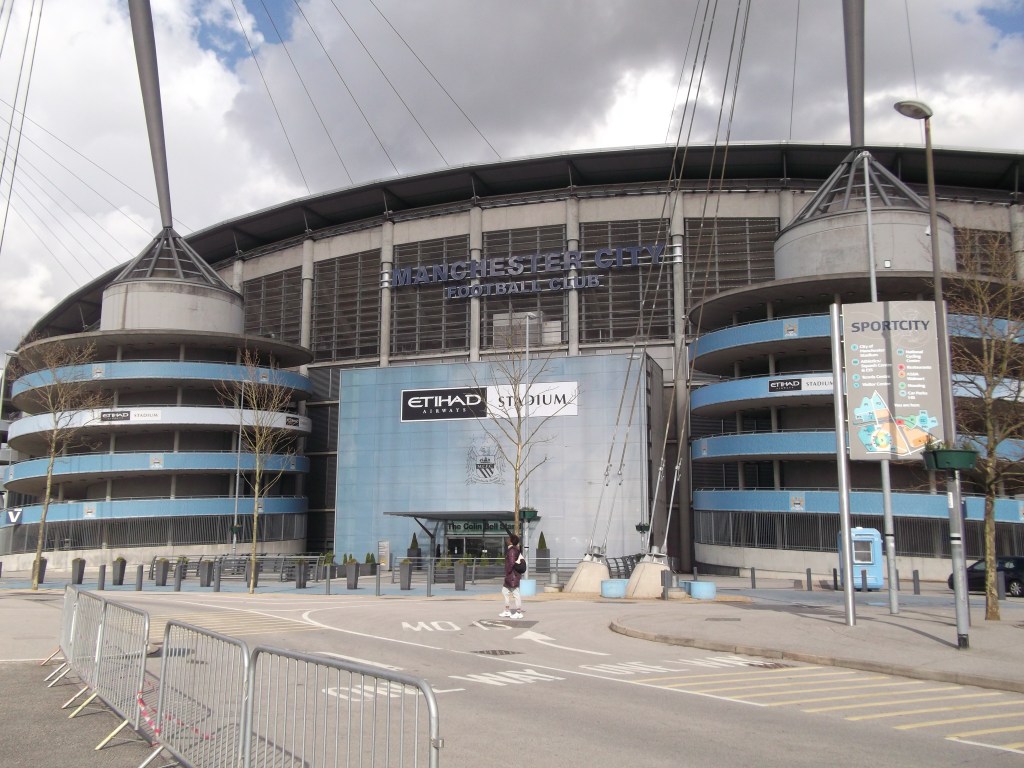
With both PSG and Manchester City, there have been allegations and independent studies have shown that sponsorship deals made by the clubs have been done with companies that are owned (partially/wholly) by the club owners themselves, thereby creating a proxy to funnel in funds to the club that would help it escape FFP regulations, by showing a higher income than what was believed to real. For example, Etihad Airways bought the naming rights for the Manchester City stadium at £400million in the year 2011 for 10 years. Etihad Airways is owned by the Abu Dhabi government and the owner of Manchester City, Sheikh Mansour is a member of the Abu Dhabi royal family. The naming rights deal was the biggest in the history of sport, more than quadrupling the £90million that Arsenal struck with Emirates (for 15 years) in 2004.
The issue UEFA face is the difficulty in proving that the money from the company is actually from the owners. On the face of it, there is suspicion that the deal is backhanded way for the owner to provide the club money from his own pocket, but there is no way to show that. The burden of proof after all, falls on the accuser.
That has changed with this verdict though. The independent Adjudicatory Chamber of UEFA’s Club Financial Control Body (CFCB) said City “overstated its sponsorship revenue in its accounts and in the break-even information submitted to UEFA between 2012 and 2016”. The allegations began through hacked emails between City officials which referred to activities done by the club to deceive UEFA and bypass the UEFA FFP rules.
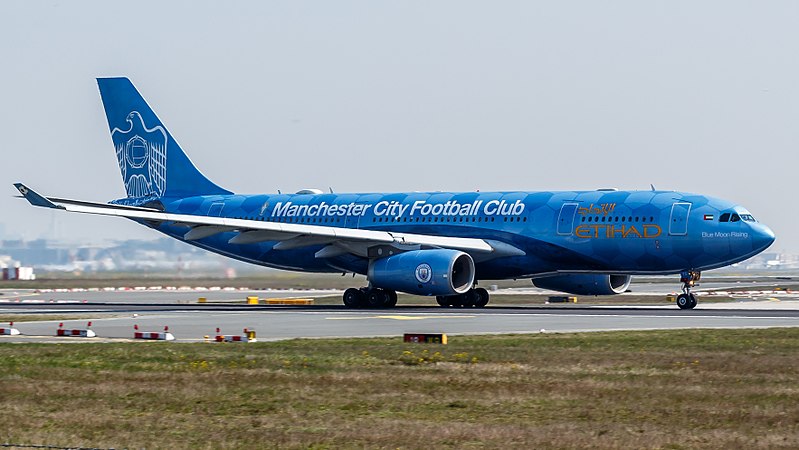
The sponsorship deal with Etihad showed discrepancies wherein the source of the money coming into the club from Etihad was actually found to have come from the Abu Dhabi United group, which was very much what the fans had suspected all along. The owner of Manchester City, Sheikh Mansour, holds a controlling interest and ownership over the Abu Dhabi United group, given that he is the Deputy Prime Minister of Abu Dhabi and member of the ruling family of Abu Dhabi. The amount of money that is in question is £51.5million that was supposed to be paid by Etihad towards Manchester City for the purchase of rights, but they money is shown to have come from the Abu Dhabi United group. And this wasn’t the only thing that turned up. When Manchester City fired Roberto Mancini, they owed him £30million for early termination of the contract. This money once again should come from the club and from their revenue, but instead the money paid to him came from Al Jazira, which again is owned by the owners of Manchester City. Similar issue also exists with payment for player’s imaging rights during transfers, which have been paid through such proxies and have not been calculated in the club’s FFP accounts.
The severity of the ban isn’t just for the clubs failure to adhere to the FFP regulations, but to further punish the club for willfully attempting to defraud UEFA and also failing to cooperate with the CFCB during the investigation.
The ruling is being challenged in the CAS; big surprise. And maybe the ban is lifted. Or maybe it is reduced to 12 months, with some speculating that the 24 month period was deliberate so that a reduced 12 month suspension can still be claimed as a victory. Or maybe the ban is upheld and City go out of the European competitions for 2 years. Irrespective of which of these ends up as the final decision of CAS, the fact that this step was taken should do a lot of good to European football and will hopefully prevent owners with deep pockets from trying to get creative with the rules and attempting to defrauding the FFP rules to gain an unfair advantage for their clubs.
 Sport Microcosm