Categories
Football

Mino Raiola and Rich Paul: Antagonists or Willing Martyrs?

Modern day star male athletes are the most protected species in the world. There is no other group of grown men that is given as much leeway as these athletes. Athletes can get away with a lot of things, but nothing is more surprising than the ability to not be held responsible for publicly wanting out of their contracts that they signed and no longer wish to stick to. Sure they catch some stick, but most of the stick is handed out to agents, who are now somehow seen as instigators, trying to make bigger profits by moving their players to new teams and markets with more financial incentives. 

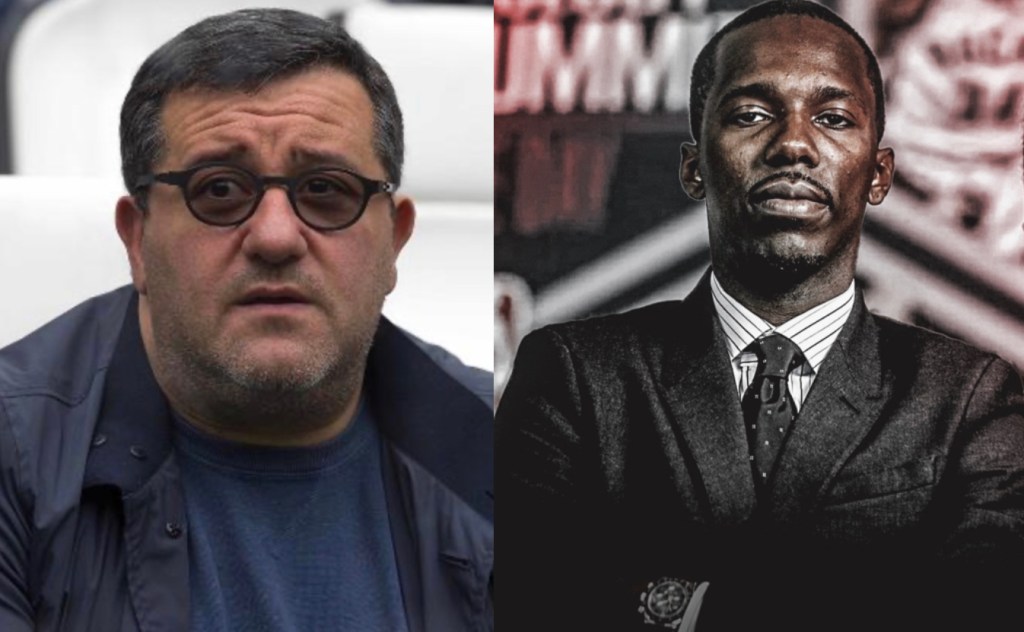
The 2 biggest men in the forefront of this are Mino Raiola and Rich Paul, who have very little in common, except for being painted as villains for the moves that the players they represent make. Mino Raiola has become quite notorious in European Footballing circles as the agent who moves players all around to fill his own pockets. The list of players he represents includes big names like Zlatan Ibrahimović, Paul Pogba, Romelu Lukaku, Marco Verratti, Gianluigi Donnarumma, Matthijs de Ligt, Erling Braut Håland and the list goes on. One thing common among these players is discord at their clubs at some point, and big transfers involved in their transfers, that included big agent fees  up over hundred million dollars. 

Rich Paul comes from the humblest of backgrounds. He is the agent of LeBron James, the biggest star in the world of basketball. But he started off selling jerseys from the back of his car. It has been an unusual path for him as basketball agents mostly come from the legal background. That hasn’t stopped Rich Paul though as he now reps some of the biggest names in the NBA world in LeBron James, Anthony Davis, Ben Simmons, John Wall among many others. But once again, the narrative around Rich Paul from the NBA media and teams is that, his clients are difficult to deal with because he fills their mind with wild ideas of leaving for bigger markets and making more money.

This makes no sense on any level. The idea that Paul Pogba wants to move away from Manchester United because his agent told him that would be a great idea, is ridiculous. It is completely possible players and agents some times have family like relationships, but when was the last time you upended your life and moved to a new city for a new job because your family told you to do it? 

The narrative around Anthony Davis’ move to the Lakers is that he was a nice young boy until he hired Rich Paul a year ago and Paul started poisoning his mind about Los Angeles and the big money he can make. Davis had just seen his close friend DeMarcus Cousins tear an Achilles and lose out on millions of dollars after the Pelicans refused to pay him what he thought he was worth (as was their right, but there is always a price to pay when you show your superstars how you treat players, especially the ones that the said superstars are close friends with), and ended up with back to back minimum contracts. 

The fact that agents can influence their players to that extent is ludicrous. These are stories built up by fans that do not want to accept what is real. The teams the stars want to quit are not good, or the players really want to move for the financial gains that they think they deserve. Agents are enablers, not overlords of the players, moving them around like chess pieces to make money for themselves. Paul Pogba does not want to leave Manchester United because Mino Raiola told him Juventus would pay Raiola 20 million for the transfer. 

Pogba wants to leave because he was promised a future of competing for the Premier League and Champions League and he has seen nothing close to that level of promise from the squad. The Glazers have made wrong moves at every turn and it is understandable that Pogba does not wish to waste his prime competing in the Europa League and taking on the ridiculous abuse from the British Media. It is just easier for the fans to not accept this and instead blame Raiola as the big bad pulling the strings behind the scenes and that being the reason behind Pogba wanting a move. 

And it’s no surprise that the recent news from camp Pogba has been optimistic towards a new contract given the recent uptick in the performances of the team. 

The case is even more stark with Anthony Davis. Ever since he was drafted he was saddled with a bad team and a worse GM in Dell Demps, who made moves like trading a first round pick for Omer Asik and extending him to a $58 million deal, as the league moved away from traditional bigs, not that Asik was a good traditional big in the first place. $48 million to Solomon Hill. Max contract to Eric Gordon after he said he didn’t want to stay. $20 million to Alexis Ajinca (who?). The Pelicans built a bad team around Davis for years and we are supposed to believe Rich Paul is the one who convinced him to move to Los Angeles with the big market and LeBron James?

The entire idea that agents are villains influencing the minds of young 25 year old men, who are innocently being manipulated is a narrative that suits both the fans, who wish to blame something other than their failing teams, and the players who would rather the agents take the heat so they can be adored by fans and keep leveraging that into more sponsorship dollars. 

The system works for all, that is clear; what it does not do, is make it true. 
Categories
Football

Explaining Manchester City’s European Ban

It finally happened. A big club in one of the big leagues, was hit hard by the Financial Fair Play rules and we are here for it. 

UEFA introduced Financial Fair Play rules in 2011-12 season and since then, we have seen it have some effect, but to be fair, most of the big sanctions we have seen have been transfer sanctions, which are handed out by FIFA and not UEFA. UEFA has looked into the likes of PSG, AC Milan, Atletico Madrid and Manchester City. But those have led to fines and curtailing on squad size among punitive actions, but nothing as drastic as a 2 year European ban that Manchester City has just been hit with and if the ban stands at the Court of Arbitration for Sports. 

For Manchester City this isn’t the first time being hit by FFP implications. Back in 2014 season they were hit with a £49million fine along with having to reduce their squad size for the upcoming Champions League campaign to 21, for failing to meet the requirements for balancing the wage bills. This was among the bigger FFP implications and City weren’t the only team to be hit with this fine as PSG were also hit with the same sanctions due to their wage bills. Fans of other teams were happy with these implications for 2 clubs that were purchased by wealthy owners from the Middle East and they pumped massive money into the club making them contenders out of nowhere, but the long term implications weren’t massive. In fact, the FFP rules were amended the next season and both fines were suspended to a much lower amount of  €20million after the FFP regulations changed over the year. 

The issue with City and PSG has been the Sponsorship gymnastics that they have done to satisfy the FFP requirements, which at the core want teams to spend money that they earn instead of spending money from the pockets of their rich owners, which can create an untenable structure like with Malaga, who were also bought by a Qatari prince but who then refused to put in money after a 4th place league finish in 2012 season, complaining about big clubs getting bigger revenue shares, leaving the club in tatters. 

“The FFP rule requires clubs to balance football-related expenditure – transfers and wages – with television and ticket income, plus revenues raised by their commercial departments. Money spent on stadiums, training facilities, youth development or community projects is exempt.” This essentially requires Football Clubs in Europe to be self-sufficient and the owners expenses should not be for anything outside of purchase of the club itself and for the likes of building new stadium, training facilities and other projects. 

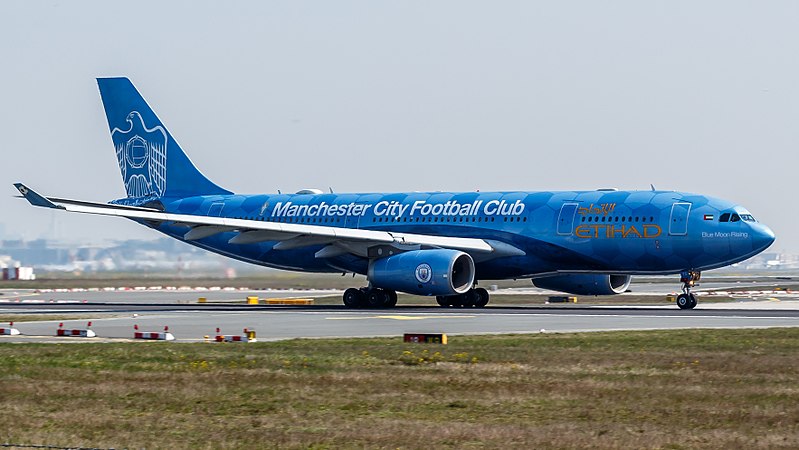
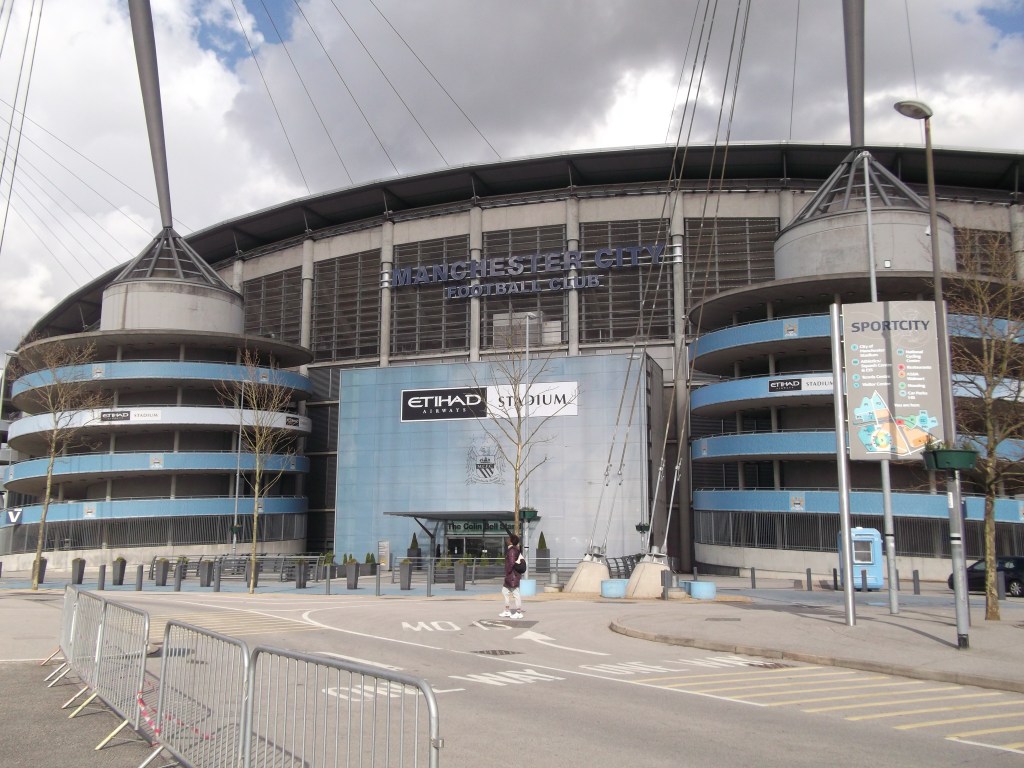
With both PSG and Manchester City, there have been allegations and independent studies have shown that sponsorship deals made by the clubs have been done with companies that are owned (partially/wholly) by the club owners themselves, thereby creating a proxy to funnel in funds to the club that would help it escape FFP regulations, by showing a higher income than what was believed to real. For example, Etihad Airways bought the naming rights for the Manchester City stadium at £400million in the year 2011 for 10 years. Etihad Airways is owned by the Abu Dhabi government and the owner of Manchester City, Sheikh Mansour is a member of the Abu Dhabi royal family. The naming rights deal was the biggest in the history of sport, more than quadrupling the £90million that Arsenal struck with Emirates (for 15 years) in 2004. 

The issue UEFA face is the difficulty in proving that the money from the company is actually from the owners. On the face of it, there is suspicion that the deal is backhanded way for the owner to provide the club money from his own pocket, but there is no way to show that. The burden of proof after all, falls on the accuser. 

That has changed with this verdict though. The independent Adjudicatory Chamber of UEFA’s Club Financial Control Body (CFCB) said City “overstated its sponsorship revenue in its accounts and in the break-even information submitted to UEFA between 2012 and 2016”. The allegations began through hacked emails between City officials which referred to activities done by the club to deceive UEFA and bypass the UEFA FFP rules. 

The sponsorship deal with Etihad showed discrepancies wherein the source of the money coming into the club from Etihad was actually found to have come from the Abu Dhabi United group, which was very much what the fans had suspected all along. The owner of Manchester City, Sheikh Mansour, holds a controlling interest and ownership over the Abu Dhabi United group, given that he is the Deputy Prime Minister of Abu Dhabi and member of the ruling family of Abu Dhabi. The amount of money that is in question is £51.5million that was supposed to be paid by Etihad towards Manchester City for the purchase of rights, but they money is shown to have come from the Abu Dhabi United group. And this wasn’t the only thing that turned up. When Manchester City fired Roberto Mancini, they owed him £30million for early termination of the contract. This money once again should come from the club and from their revenue, but instead the money paid to him came from Al Jazira, which again is owned by the owners of Manchester City. Similar issue also exists with payment for player’s imaging rights during transfers, which have been paid through such proxies and have not been calculated in the club’s FFP accounts.

The severity of the ban isn’t just for the clubs failure to adhere to the FFP regulations, but to further punish the club for willfully attempting to defraud UEFA and also failing to cooperate with the CFCB during the investigation. 

The ruling is being challenged in the CAS; big surprise. And maybe the ban is lifted. Or maybe it is reduced to 12 months, with some speculating that the 24 month period was deliberate so that a reduced 12 month suspension can still be claimed as a victory. Or maybe the ban is upheld and City go out of the European competitions for 2 years. Irrespective of which of these ends up as the final decision of CAS, the fact that this step was taken should do a lot of good to European football and will hopefully prevent owners with deep pockets from trying to get creative with the rules and attempting to defrauding the FFP rules to gain an unfair advantage for their clubs. 

Design a site like this with WordPress.com
Get started